
Emma, a 29‑year‑old marketing analyst in Manchester, spends thirty minutes on the train each way. She used to scroll through news feeds, but now she logs into a multiplayer puzzle game and teams up with strangers from Leeds and Bristol. Within a single round, she’s exchanged strategies, laughed at a teammate’s typo, and earned a badge that appears on her profile. That brief interaction feels more personal than a comment on a social‑media post because it’s tied to a shared, time‑bound challenge.
Instant Voice Chats Replace Late‑Night Calls
Mobile games now embed push‑to‑talk features that activate with a tap. In a popular battle‑royale title, players can coordinate a flank in under five seconds without opening a separate app. According to a 2023 survey by the UK Gaming Association, 62 % of players aged 18‑34 said they prefer in‑game voice over traditional phone calls for quick coordination. The latency is typically under 80 ms on 4G, dropping to 30 ms on 5G, which makes the conversation feel almost face‑to‑face.
Location‑Based Play Fuels Real‑World Meet‑Ups
Games that use GPS to create “hot zones” have sparked spontaneous gatherings. In London, a scavenger‑hunt app placed virtual clues near the Southbank, drawing a crowd of twenty‑four players who met for tea after completing the final puzzle. The app logged 3,400 unique check‑ins across the city in a single weekend, showing how digital prompts can translate into physical social hubs.
Community Moderation Shapes Safer Spaces
Developers now rely on AI‑assisted moderation that flags abusive language within seconds. A leading UK publisher reported a 45 % drop in toxic reports after integrating a machine‑learning filter that warns users before they send potentially offensive messages. The system also offers a “pause and reflect” prompt after three consecutive negative remarks, giving players a moment to reconsider. While not perfect—some nuanced slang still slips through—it has noticeably reduced the number of heated exchanges during peak evening sessions.
From Casual Play to Shared Entertainment
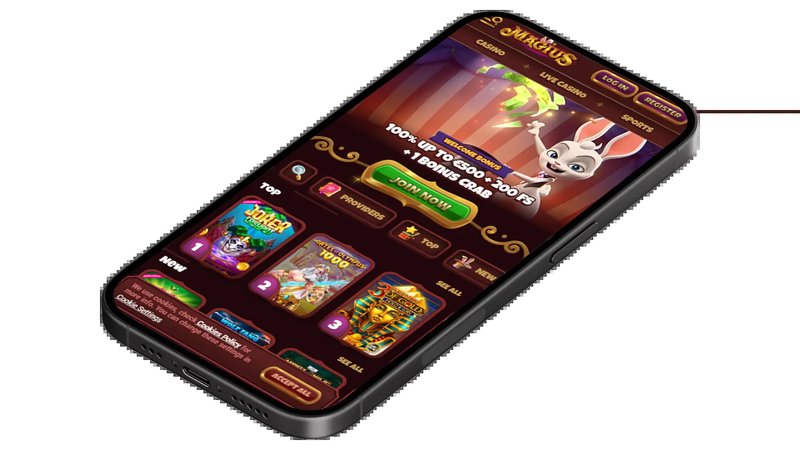
Beyond pure gaming, mobile platforms are becoming a gateway to broader entertainment ecosystems. A friend of mine mentioned that after a long session of a cooperative strategy game, she opened a companion app to watch a live esports match on the same device. It felt like a natural extension of the social rhythm she’d already established with her teammates. The same seamless transition is evident at www.magiuscasinoapp.com, where users can move from a quick puzzle round to a live dealer experience without leaving their phone.
What Still Holds Players Back?
The biggest hurdle remains data consumption. A typical multiplayer match consumes about 150 MB of mobile data, which can add up for users on limited plans. In a 2022 study, 38 % of respondents cited “cost of data” as a reason they limit gaming to Wi‑Fi. Additionally, battery drain is a practical concern; a high‑intensity game can reduce a phone’s charge by 20 % after an hour of play, prompting many to keep a charger handy.
Looking Ahead: Social Bonds Built on Small Screens
Mobile gaming has already reshaped how UK residents meet, talk, and collaborate. The immediacy of voice chat, the lure of location‑based events, and the safety nets of AI moderation create a social fabric that feels both spontaneous and structured. As 5G coverage expands and developers fine‑tune data‑efficient codecs, the next wave of mobile experiences will likely deepen these connections, turning everyday commutes and coffee breaks into opportunities for shared adventure.
Frequently Asked Questions
How did Emma discover the puzzle game on her commute?
She saw a notification about a time‑bound multiplayer puzzle game while scrolling through her feed and decided to try it during her train ride.
What makes this game more engaging than a typical social media comment?
The shared, time‑bound challenge and real‑time collaboration create a sense of personal connection, unlike a one‑off comment.